
- Regular cleaning, inspection, and seasonal care help fence panels stay strong, prevent wear, and maintain their appearance for years.
- Each material—wood, vinyl, metal, aluminum, and composite—needs specific attention, from sealing and repainting to rust protection and gentle washing.
- Consistent upkeep or professional maintenance from experts like Founders Fence saves time, avoids costly repairs, and keeps properties secure and attractive.
When you install a fence, it adds safety, style, and structure to your property. But fences face constant exposure to weather, sunlight, and time. Without regular care, they lose strength and appearance. Keeping your fence panels in good condition helps them last longer and maintain their appeal year after year.
This guide walks you through the process of maintaining your fence panels, highlighting materials that require special attention, and provides simple steps that make a significant difference.
Understanding Fence Panels
Fence panels are prefabricated sections that connect between posts to form a continuous barrier. They come in various materials such as chain link, vinyl, wood, aluminum, and composite. Each material has its own advantages and maintenance needs.
Panels play a key role in defining boundaries, adding security, and improving outdoor areas. Because they are modular, you can replace or repair one panel without redoing the entire fence. That makes them a smart choice for both homes and commercial properties.
Even though they are built for durability, every fence type needs regular inspection and cleaning to maintain strength and appearance.
Why Maintenance Matters
Fences often handle a lot—sunlight, rain, dust, and accidental impacts. Over time, these elements can weaken the structure and dull its finish. Regular maintenance helps you avoid bigger repairs and unnecessary replacement costs.
A well-cared-for fence adds visual appeal and preserves your investment. For homeowners, it enhances the property’s appearance. For business owners, it projects a sense of organization and care.
Simple habits like cleaning, repainting, or tightening loose fittings go a long way. The more consistently you maintain your fence, the longer it serves you.
Common Fence Materials and Their Care
Each fencing material reacts differently to weather and use. Knowing what your panels are made of helps you choose the right maintenance routine.
Wood Fence Panels
Wood fences have a natural look that many people love. But wood can absorb moisture, which causes warping and cracking. Regular upkeep keeps wood panels strong and visually appealing.
Care Tips:
- Clean wood panels twice a year using mild soap and water.
- Remove mildew or stains with a soft brush.
- Apply a water-resistant sealant once every one or two years.
- Repaint or restain when the color begins to fade.
Avoid sprinklers hitting the panels directly, as constant moisture leads to early decay. Keeping vegetation trimmed back prevents mold and insect activity near the base.
Vinyl Fence Panels
Vinyl fences are popular for their smooth appearance and low upkeep. They resist most weather damage but can still collect dirt and stains.
Care Tips:
- Wash vinyl panels with a mixture of mild detergent and warm water.
- Use a garden hose to rinse away dirt and pollen.
- Avoid using harsh chemicals or pressure washers, as they may scratch the surface.
- Inspect for cracks or loose connections once every few months.
Vinyl does not need painting or sealing, which makes it easier to maintain. However, check for discoloration after long exposure to sunlight, especially in areas with intense heat.
Chain Link Fence Panels
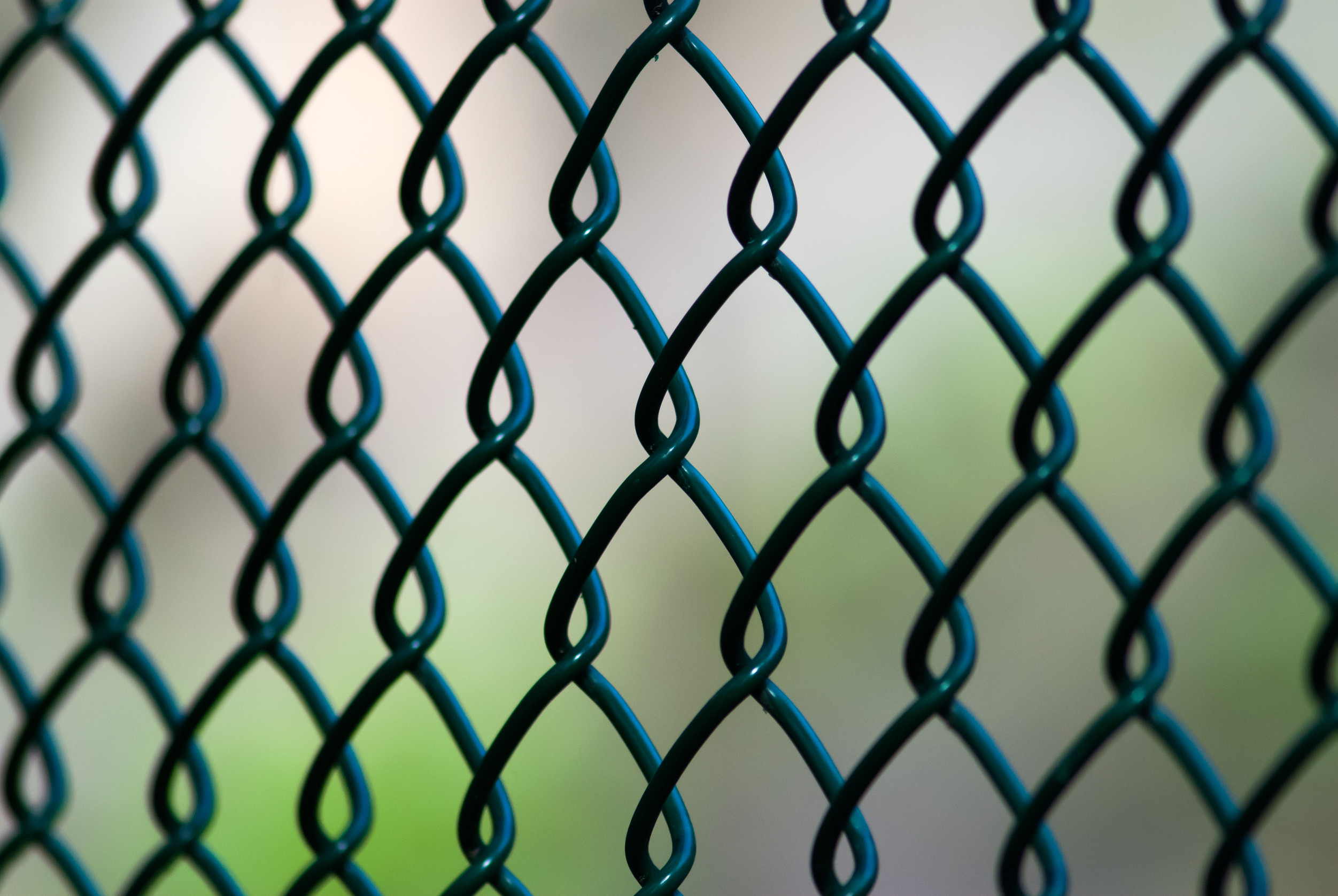
Chain link fences are reliable and long-lasting, often used for construction zones, sports fields, or commercial areas. They need little care, but keeping them clean and rust-free helps them stay in top condition.
Care Tips:
- Remove dirt buildup with a wire brush or mild cleaner.
- Rinse regularly to prevent dust accumulation.
- Inspect for rust or corrosion, especially near joints.
- Apply a rust-resistant coating when needed.
Adding privacy screens or wind screens helps protect the metal and provides an added layer of comfort and privacy.
Aluminum Fence Panels
Aluminum fencing is lightweight, strong, and resistant to corrosion. Though it doesn’t rust, it can still collect dirt and scratches.
Care Tips:
- Clean panels with soap and water every few months.
- Use a soft cloth to avoid damaging the coating.
- Check for loose screws or bent rails and tighten them as needed.
Since aluminum fences are powder-coated, they maintain their shine for many years. If you notice dullness, polish the surface using products designed for metal finishes.
Composite Fence Panels
Composite panels combine wood fibers and plastic, creating a durable and stylish finish. They resist insects and rot better than wood, but they still need attention to stay in good shape.
Care Tips:
- Rinse panels with water to remove dust and dirt.
- Avoid abrasive tools that can leave marks.
- Use soap-based cleaners for tough spots.
- Wipe dry to prevent streaks.
Composite fencing works well in both residential and commercial properties because it combines strength and visual appeal.
Seasonal Fence Care
Spring Cleaning
After winter, inspect your fence for any wear. Remove leaves, dirt, or branches that have collected near the base. Tighten bolts and replace broken sections. A deep clean at this time prepares the fence for the warmer months ahead.
Spring is also a good time to repaint wooden panels or touch up metal surfaces. Warm weather allows coatings to dry evenly and bond better.
Summer Protection
Heat and sunlight can cause fading, expansion, or slight warping in certain materials. Make sure your fence remains strong by keeping the area around it clean and shaded where possible.
Water plants carefully so that sprinklers don’t spray the panels directly. If you live in an area with salty air, such as near the coast, rinse metal fences often to remove salt deposits that can corrode surfaces.
Fall Preparation
Before winter sets in, give your fence another check. Clear debris that might trap moisture and remove overhanging branches that could fall during storms.
For wooden fences, apply a fresh coat of sealant if needed. For metal and vinyl fences, clean and inspect connectors. Proper fall care prevents damage during the colder months.
Winter Maintenance
Cold weather and moisture can put stress on fences. Snow and ice weigh down panels and cause bending or cracking.
During winter, clear snow from around the fence base to prevent buildup. Avoid leaning heavy objects against panels. Metal fences may contract slightly, so check joints once the season ends.
Spotting Early Damage
Catching small issues early prevents them from becoming major repairs. During routine checks, watch for:
- Loose or missing nails and screws
- Rust spots or discoloration
- Cracked boards or sagging panels
- Shifting posts due to soil movement
- Faded or peeling paint
Cleaning Techniques for Different Materials
Every fence type needs a specific cleaning approach. Using the right method prevents unnecessary wear.
- For Metal Fences: Mix warm water with a small amount of mild soap. Use a sponge or soft cloth to wipe the surface. For stubborn spots, use a soft brush. Rinse thoroughly and let it air dry. Apply a protective spray to guard against oxidation.
- For Wooden Fences: Use a garden hose for rinsing and a soft brush for scrubbing. Avoid bleach-based cleaners, as they can weaken the wood fibers. Allow the panels to dry completely before applying stain or paint.
- For Vinyl Fences: Use a mix of dish soap and water. Apply with a cloth, then rinse with a hose. For mold or mildew, use white vinegar mixed with water. Always test a small area first to confirm it doesn’t affect the color.
- For Composite Fences: Remove surface dust using a soft broom or towel. Use a gentle cleaning solution and rinse thoroughly. Wipe with a dry cloth for a spotless finish.
Extending Fence Life Through Prevention
Preventive care is easier and cheaper than large repairs. Keeping your fence clear of hazards helps maintain its durability.
- Keep soil and mulch from touching wooden panels.
- Avoid climbing or leaning heavy objects on the fence.
- Regularly check gate hinges and latches.
- Apply paint or coating as needed.
These habits reduce stress on the fence and help it retain its shape for years.
Professional Maintenance Services
Sometimes, professional help saves time and effort. Fence specialists have the right tools and knowledge to clean, repair, or replace panels efficiently.
Professionals provide durable temporary and permanent fencing solutions, along with privacy screens that protect and improve outdoor areas. Their expert team handles installation and maintenance with precision and care.
If you manage large properties or construction sites, professional maintenance ensures safety and compliance with local regulations. Regular inspections by experts catch issues early, keeping projects on track and secure.
Environmental Impact of Fence Care
Proper fence maintenance also benefits the environment. A fence that lasts longer means fewer replacements and less waste. Using water-based paints and non-toxic cleaners keeps harmful chemicals out of the soil.
You can also recycle old metal panels or repurpose wooden ones for garden projects or decorative features. Responsible maintenance helps you care for your property and the planet at the same time.
Safety Tips During Maintenance
Fence maintenance might look simple, but safety always comes first. Wear gloves when handling tools or chemicals. Keep children and pets away from the work area. When cleaning high or wide fences, use a sturdy ladder and avoid overreaching.
If you are replacing panels, check for underground utilities before digging near posts. Proper safety habits make the process smoother and prevent accidents.
When to Replace Instead of Repair
Sometimes, repairs are no longer enough. If your fence leans heavily, has multiple broken sections, or shows widespread rust, replacement may be the better choice.
Frequent repairs often cost more in the long run. Upgrading to newer materials, such as vinyl, aluminum, or composite, can provide stronger protection with less maintenance.
Cost of Maintenance
Fence maintenance doesn’t have to be expensive. Most cleaning supplies are household items like soap, water, or brushes. Repainting or sealing costs depend on the material type and fence size.
Doing small tasks regularly helps you avoid higher repair bills. A few minutes spent inspecting and cleaning your fence can prevent costly damage later.
Ready to keep your fence panels in top shape? The team at Founders Fence is here to help with expert guidance, durable materials, and professional installation or repair services. Reach out today and let’s make sure your fence looks strong and stylish for years to come!